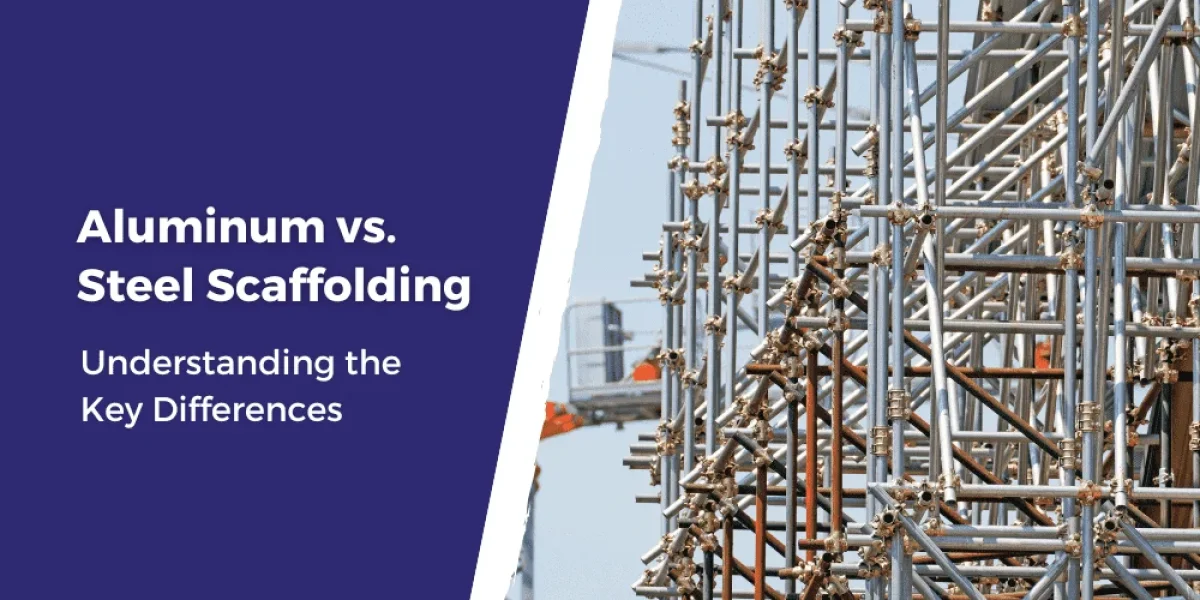
caffolding is very important in construction and repair work. It helps workers reach high places safely. Two common types of scaffolding are aluminium scaffolding and steel scaffolding. Many contractors choose aluminium scaffolding rental instead of buying scaffolding because renting saves money and time. Aluminium scaffolding is light and easy to move, while steel scaffolding is heavy and very strong.
Choosing the right scaffolding can make work safer, faster, and easier. In this blog, we will compare aluminium and steel scaffolding in simple words so you can decide which one is better for your project.
What Is Aluminium Scaffolding?
Aluminium scaffolding is made from aluminium metal. It is light but strong. Many people choose aluminium scaffolding because it is easy to move and quick to set up.
It is commonly used for maintenance, painting, cleaning, and light construction work. Aluminium scaffolding is also popular for indoor projects.
What Is Steel Scaffolding?
Steel scaffolding is made from steel pipes and frames. It is heavier and stronger than aluminium scaffolding.
Steel scaffolding is often used in large construction projects where heavy materials and many workers are involved. It is common on big building sites and long-term projects.
Weight and Easy Handling
One of the biggest differences between aluminium and steel scaffolding is weight.
Aluminium scaffolding is very light. Workers can carry and move it easily. This saves time and effort. Because it is light, it is also easier to transport.
Steel scaffolding is much heavier. It needs more workers to move and set up. Sometimes machines are also needed to handle steel scaffolding.
Winner: Aluminium scaffolding is easier to handle.
Strength and Load Capacity
Steel scaffolding is very strong and can carry heavy loads. It is suitable for big projects with many workers, tools, and materials on the platform.
Aluminium scaffolding is strong too, but it has a lower load limit compared to steel. It is best for light to medium work.
Winner: Steel scaffolding is better for heavy loads.
Speed of Installation
Aluminium scaffolding is quick to set up and take down. Its light weight helps workers assemble it faster.
Steel scaffolding takes more time to install because it is heavy and has more parts. This can slow down the work, especially on short projects.
Winner: Aluminium scaffolding saves time.
Safety
Both aluminium and steel scaffolding are safe when used correctly.
Aluminium scaffolding usually comes with built-in safety features like guardrails and locking wheels. It is stable and safe for most tasks.
Steel scaffolding is also safe and very stable, especially for tall structures. It is often fixed firmly to buildings for extra safety.
Winner: Both are safe when used properly.
Rust and Weather Resistance
Aluminium does not rust. This makes aluminium scaffolding a good choice for outdoor work and humid areas.
Steel can rust if it is exposed to rain or moisture for a long time. Rust can weaken steel scaffolding if it is not maintained well.
Winner: Aluminium scaffolding is better in wet conditions.
Maintenance Needs
Aluminium scaffolding needs very little maintenance. It stays in good condition for a long time.
Steel scaffolding needs regular checks for rust and damage. It may need painting or treatment to prevent rust.
Winner: Aluminium scaffolding is easier to maintain.
Cost and Budget
Steel scaffolding is usually cheaper to buy, especially for large projects.
Aluminium scaffolding can cost more to buy, but it saves money in other ways. It reduces labor costs because it is easy to install and move.
For short-term projects, many people prefer aluminium scaffolding rental instead of buying.
Winner: Depends on project size and budget.
Best Use Cases for Aluminium Scaffolding
Aluminium scaffolding is best for:
-
Painting and maintenance work
-
Indoor projects
-
Short-term jobs
-
Areas where scaffolding needs to be moved often
-
Projects with limited space
Best Use Cases for Steel Scaffolding
Steel scaffolding is best for:
-
Large construction projects
-
High-rise buildings
-
Heavy-duty work
-
Long-term projects
-
Sites with heavy materials
Which One Is Better for Your Project?
The best choice depends on your project needs.
If your project is small, short, or needs frequent movement, aluminium scaffolding is a great choice. It is light, easy to use, and quick to set up.
If your project is large and heavy, steel scaffolding may be better. It provides strong support and can handle heavy loads.
Final Thoughts
Both aluminium and steel scaffolding have their own benefits. There is no single best option for every project. The key is to understand your needs and choose the scaffolding that fits your work.
For most small to medium projects, aluminium scaffolding is a smart and practical choice. For large and heavy construction work, steel scaffolding offers strong support and stability.
Making the right choice helps keep workers safe and the project running smoothly.